
Introduction
Transformers play a vital role in electrical power systems by converting voltage levels for the efficient transmission and distribution of electricity. Over time, transformer windings can become worn or damaged, making a full rewinding necessary to restore proper functionality. This article outlines the rewinding process of a 40 kW transformer.
Problem Overview
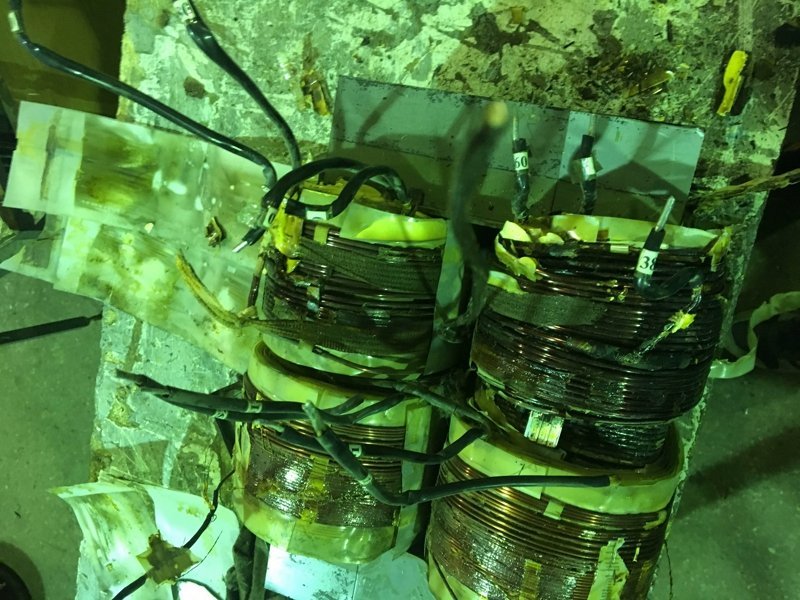
A 40 kW transformer was brought into our workshop showing signs of significant winding degradation. The issues included overheating, insulation breakdown, and mechanical damage caused by prolonged operation and external factors. A complete rewinding was required to ensure reliable performance and prevent potential failure.
Rewinding Process
-
Disassembly and Inspection:
- The transformer was disconnected from the power supply and fully disassembled for detailed inspection.
- The windings were removed and carefully examined for wear and damage.
-
Removal of Old Windings:
- The old windings were carefully removed to avoid damaging the transformer core.
- The core and coil surfaces were cleaned of residual insulation and contaminants.
-
Preparation of New Materials:
- High-quality copper wire with proper insulation was selected for the rewinding.
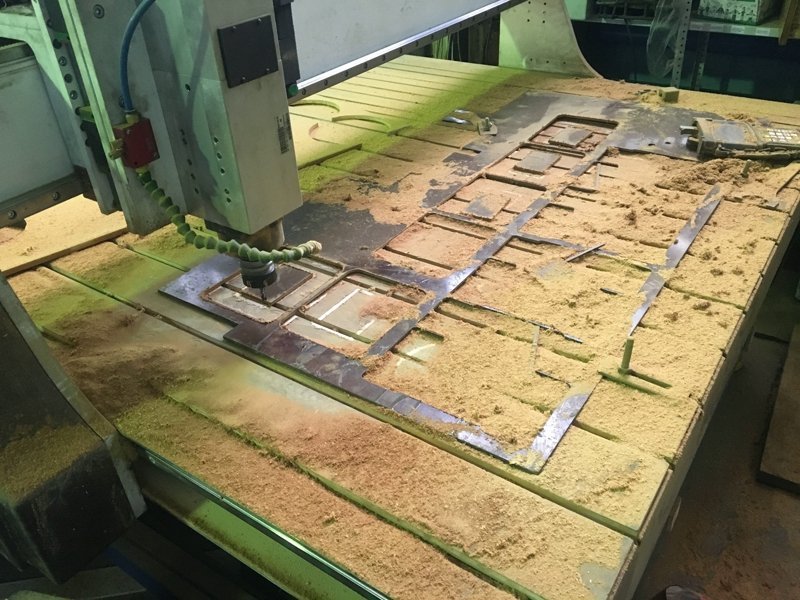
- All necessary insulating materials for separating winding layers were prepared.
-
Rewinding the Coils:
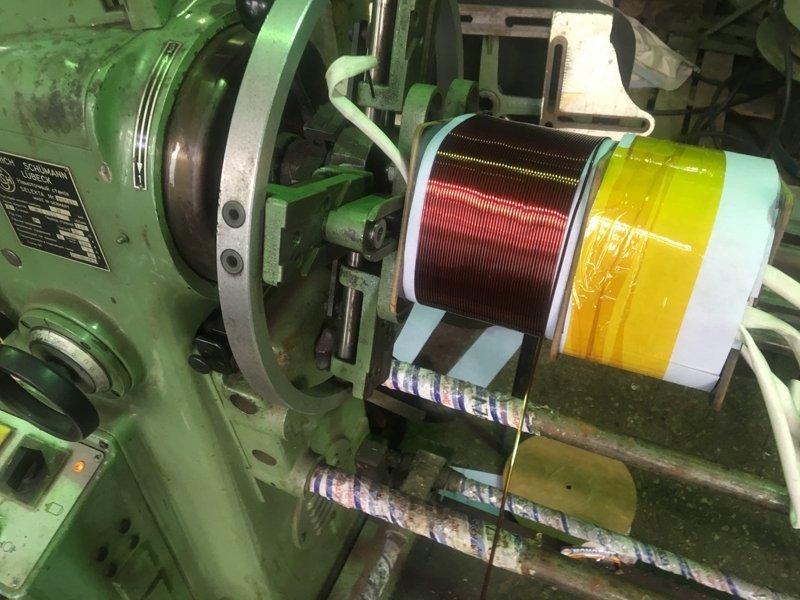
- The rewinding began with the first layer of wire being applied to the transformer core.
- Each layer was wound tightly and evenly, in accordance with technical standards.
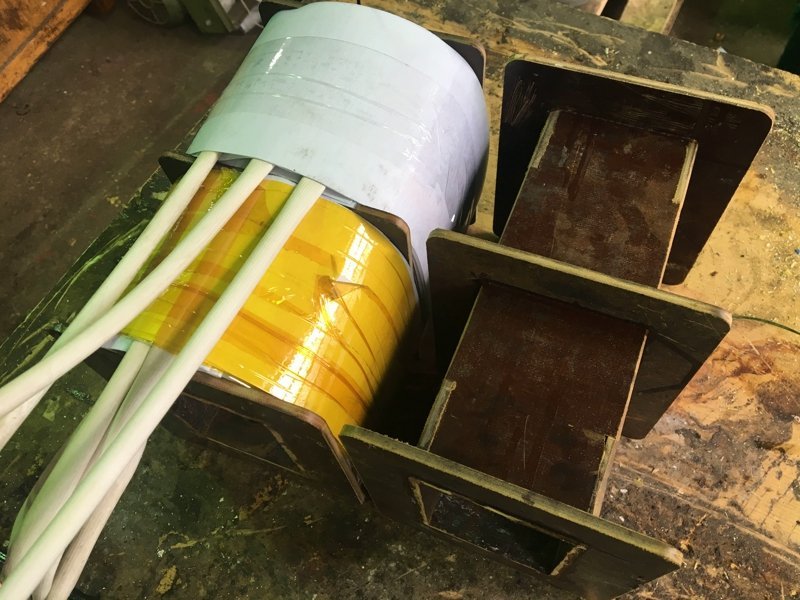
- Insulation was placed between winding layers to prevent short circuits and ensure reliable operation.
-
Impregnation and Securing:
- After rewinding, the coils were impregnated with specialized insulating varnish to enhance dielectric strength and protect against environmental factors.
- Wire ends were securely fastened to prevent unwinding or mechanical stress.
-
Reassembly and Testing:
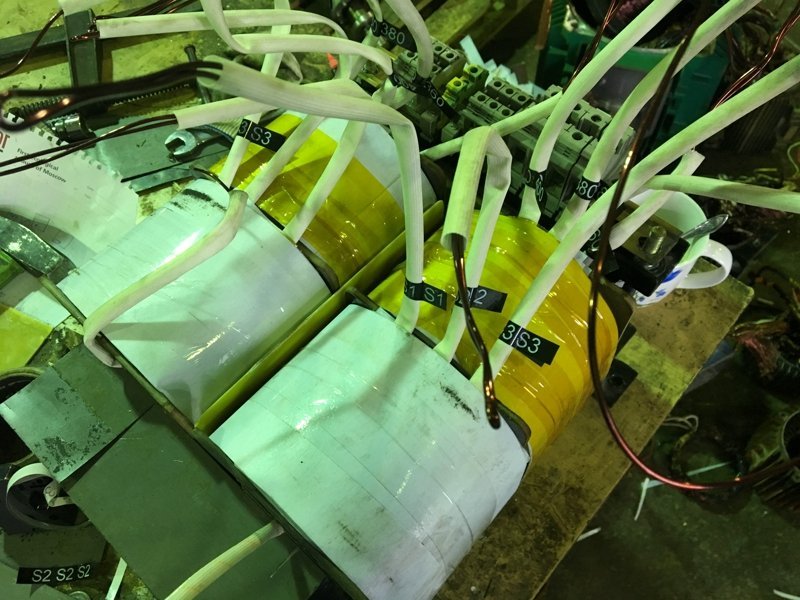
- The transformer was reassembled and connected to a test rig for evaluation.
- Electrical tests were conducted, including insulation resistance checks, winding resistance measurements, and load capability verification.
Result
After completing all repair and testing procedures, the 40 kW transformer was successfully restored. Test results confirmed that the new windings delivered reliable and stable performance in full compliance with technical standards and requirements.
Conclusion
Rewinding the coils of a 40 kW transformer is a critical step in ensuring long-term operational reliability. The use of high-quality materials and strict adherence to technical processes allows for complete restoration of functionality while preventing future failures. Regular maintenance and timely rewinding significantly extend the transformer’s service life and help maintain stable power delivery.